
Students leading change in their own communities
This year, students from across the Cleveland Metropolitan School District who take college classes at Cuyahoga Community College through Tri-C High Tech Academy are working in 22 HPAC capstone teams. Each team chose a challenge they see in their community and is building a project to address it, with Strengthening Our Students as lead partner and HPAC alumni as mentors.
We have more assets than challenges
In the first session every student wrote asset cards and challenge cards. The room produced 127 assets and 49 challenges. The most repeated assets were cooking, being observant, kindness, cleaning, and helping others. Those cards became the first project list.
Source: Student Asset and Challenge Report, September 8, 2026.
Assets by type
Challenges by type
Friday mornings at Tri-C
Students stand up and read their asset cards and their first questions to the room. These photos are from the fall 2026 sessions.
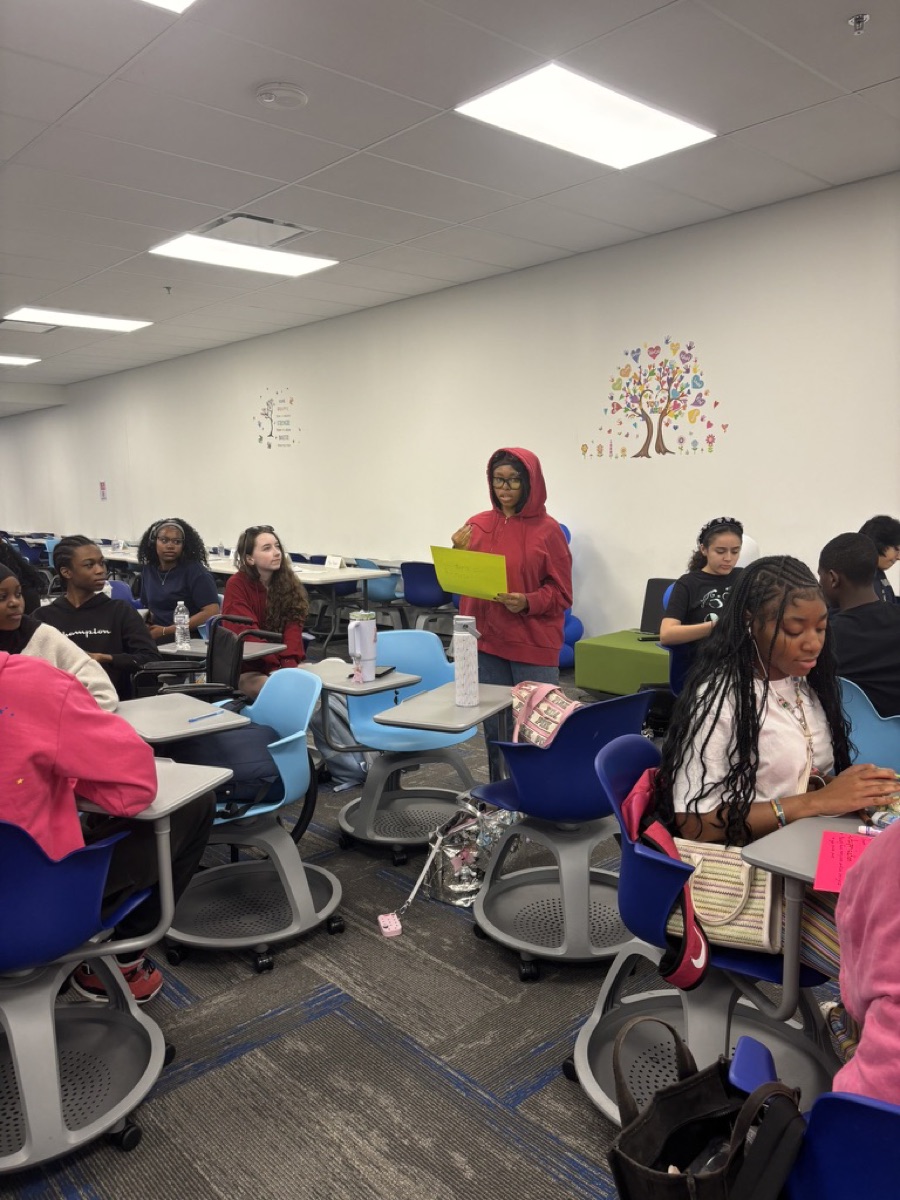
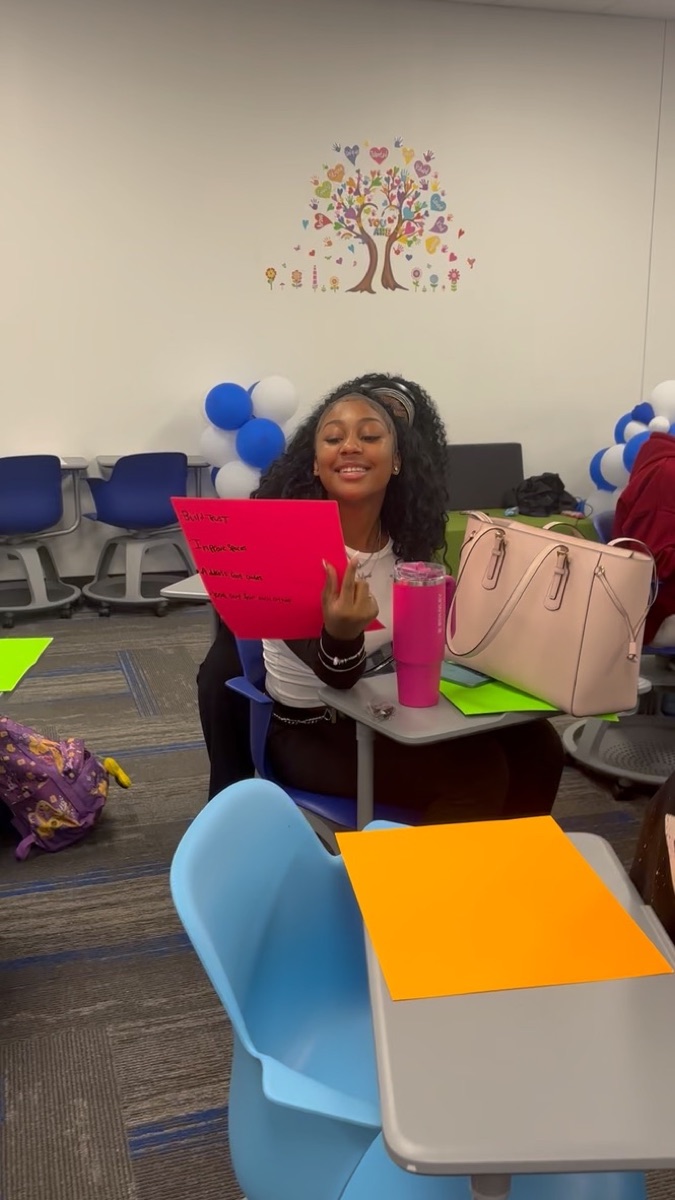
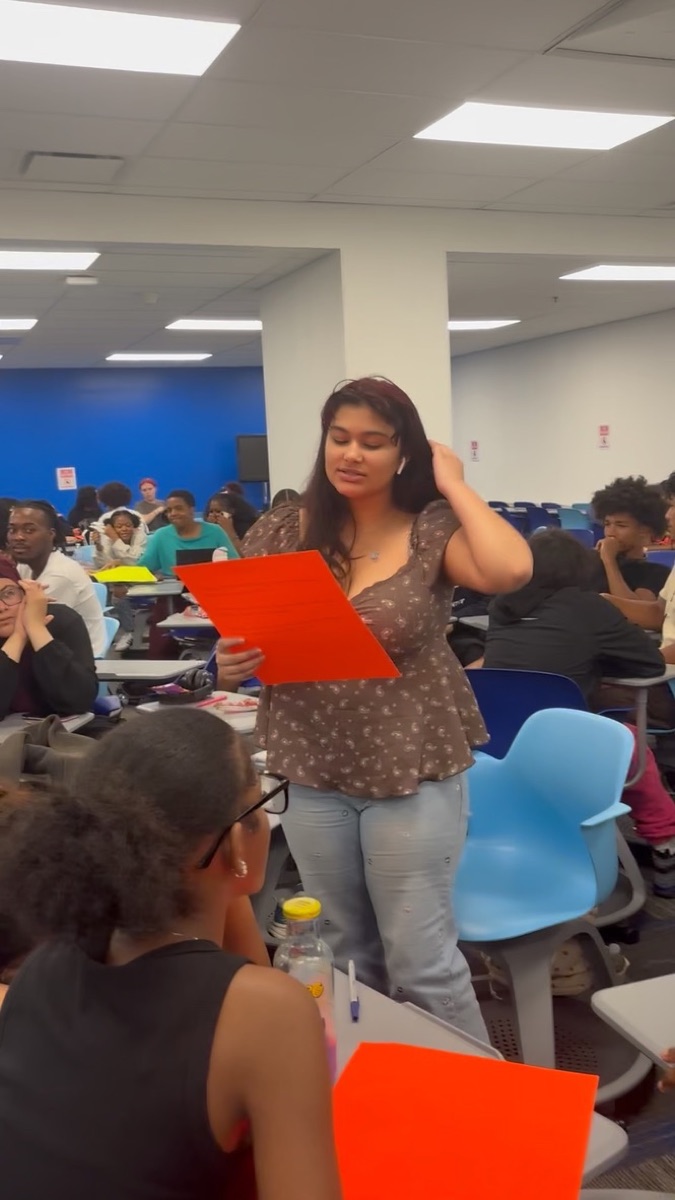
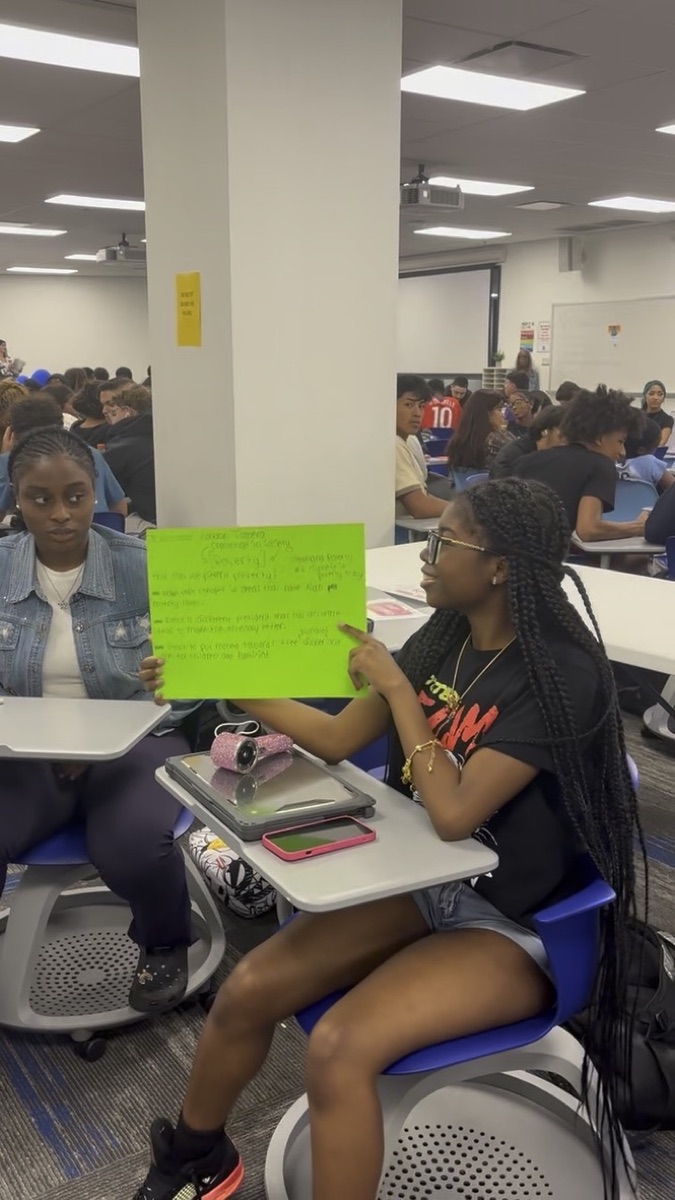
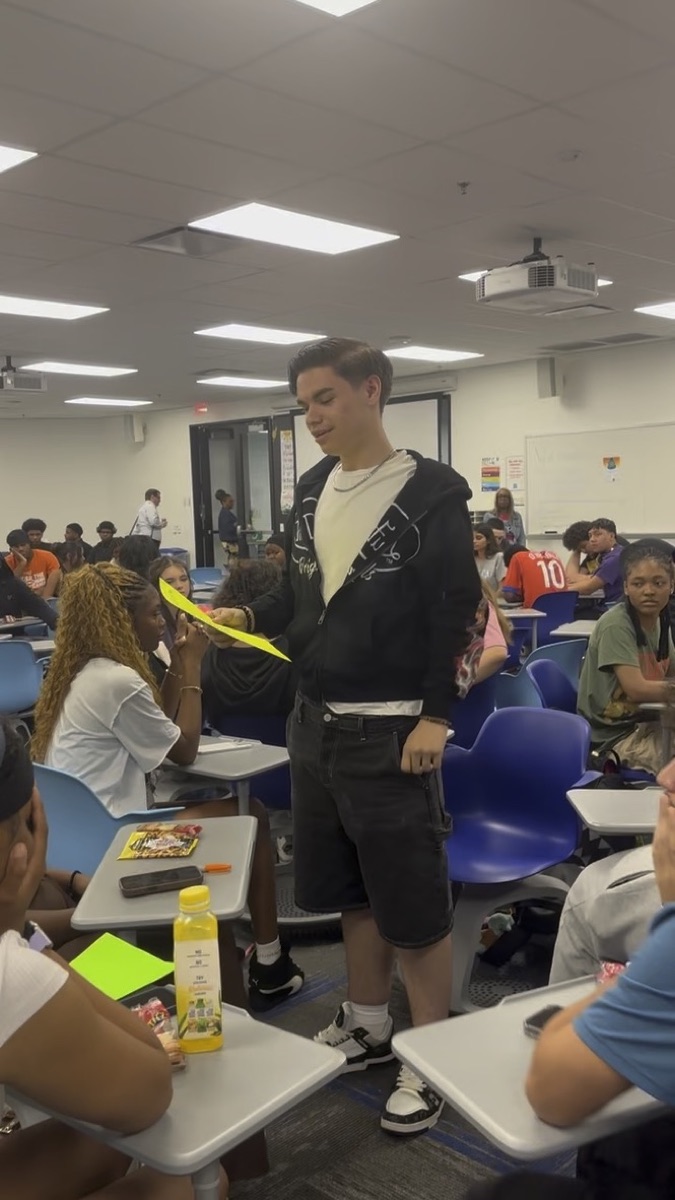
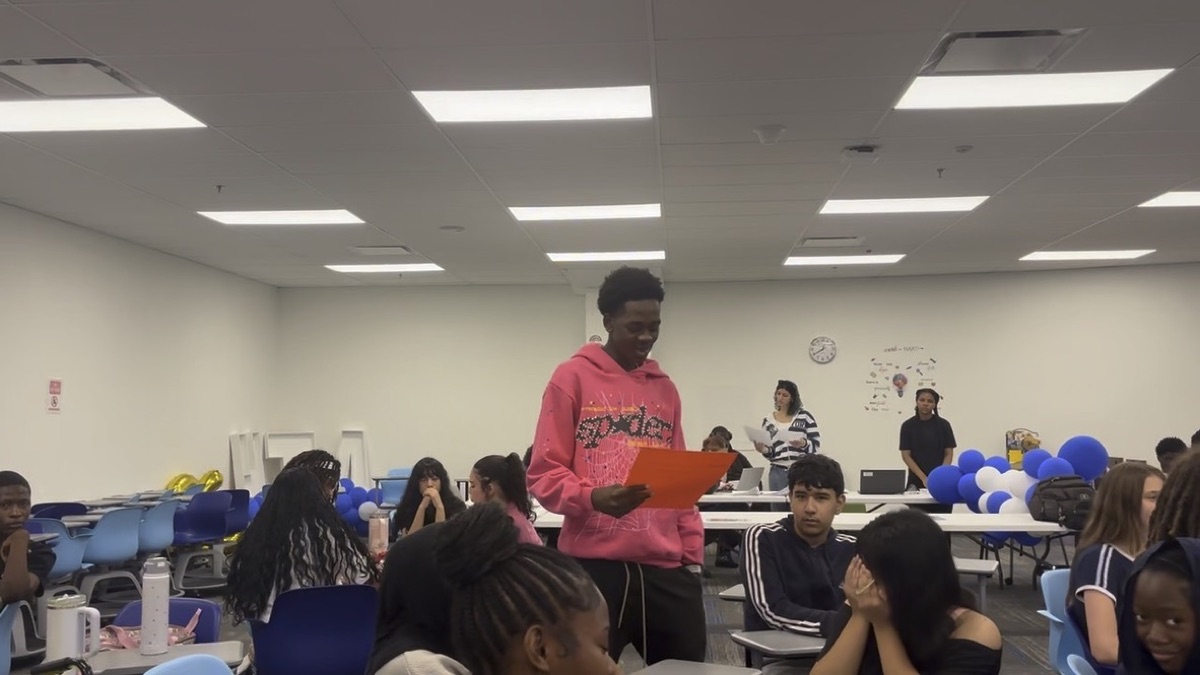
Photos by program staff. Students are not named. Media releases from Tri-C and the Cleveland Metropolitan School District are being collected before launch.
The 22 teams
Each tile shows a team's topic, the question or idea its packet is built around, and the Cleveland organizations the team can connect with. Most questions are starting points drafted with the facilitators; teams sharpen them as the year goes on, so final project titles will be more specific. No student names appear here.
Pollution
Would a no-idling zone at drop-off lower the soot students breathe outside school?
Gun violence
What are some of the main causes of gun violence? A youth space designed with teens.
Terrorism
A guide to help students spot online propaganda.
Drugs
What keeps Clevelanders who need help with drugs from getting treatment, and why do people start?
Pollution and asthma
Why do kids in some Cleveland neighborhoods go to the hospital for asthma far more often?
Violence in schools
Do students think suspensions or restorative conversations do more to stop fights?
Public safety
Clean and green one vacant lot near school with neighbors.
Pollution as an energy problem
What would it take for Cleveland to get more clean electricity, and who decides?
Poverty
Care packages with food and hygiene products for families near school.
Homelessness
What pushes families out of their homes in Cleveland? Hygiene kits through Project ACT.
Drug abuse
Bring people in recovery to speak with students.
Artificial intelligence
A guide for using AI to learn, not to do your thinking.
Struggling families
What do families need most from their child's school to get through the month?
Finding jobs for teens
Resume help and a teen hiring day.
Animal testing
Why is animal testing still legal, and why is the city kennel so full?
Apathy
Do teens who see more violent content online care less about real violence?
Animal cruelty
Cards with the APL cruelty hotline; teach younger kids to treat animals well.
Violence
What helps teens step back from a fight instead of joining or watching?
Racism
How do students experience colorism, and how does it affect self-image?
Suicide prevention and teen support
Map safe spots and trusted adults so every student knows where to go.
Extinction
Plant a native garden at school.
Awareness: the HTA newspaper
A student-written paper covering the capstone projects first.
From asset cards to Scholars Day
What kind of leader are you?
September. Asset and challenge cards. 127 assets, 49 challenges.
What do we want to change?
September. Poster-board brainstorm; teams form around topics.
Reading our own word cloud
Late September. Topics finalized; "look for the chicken," the hidden questions nobody thought to ask; first 15 questions.
Your health. Your community. Your question.
October 2. Count-off statistics, the social and political determinants, the question ladder, research rules.
From questions to pitch
October 23. The project in one sentence, five strong facts, a 30-second pitch.
The road ahead
| Friday | What teams do |
|---|---|
| Oct 30 | Research smarts: credible sources, SIFT, and using AI to learn, not to think for you |
| Nov 6 | Connect to Cleveland: alumni mentors visit; teams meet their partner organizations |
| Nov 13 | Draft project plan |
| Nov 20 | Pitch practice |
| Dec 4 | Budget and the $250 mini-grant request |
| Dec 11 | Pitch to a student panel; submit requests |
| Dec 18 | Feedback; finalize roles |
| Jan 8 | Mini-grant decisions; launch checklist |
| Jan 15 to Feb 12 | Project work, with a mentor check-in Jan 22 and a midpoint review Feb 5 |
| Feb 19 | Build the measure |
| Feb 26 | Collect results |
| Mar 5 | Charts and findings |
| Mar 12 to 26 | Posters |
| Apr 2 | Presentation practice |
| Apr 9 | Dress rehearsal; posters printed |
| Apr 16 | Scholars Day |
| Late April to May | Posters go to home schools; coverage in the Awareness newspaper |
From the program packet of October 16, 2026. Break dates and the Scholars Day date are still to be confirmed with the Academy.
The decks and tools behind each session
Everything a facilitator or a team needs, free to download. PowerPoint files open in PowerPoint, Keynote or Google Slides.
Week 4: Your Health. Your Community. Your Question.
33 slides. Stand-up count-off facts, the five SDOH domains, the political determinants, and the six things every team's research must prove.
Session 5: From Questions to Pitch
17 pages. 'A strong fact has four parts: a number, a who, a where, a source.' The four-box pitch: hook, problem, our idea, the ask.
From Pitch to Plan
18 slides. Six pushbacks every pitch meets, the 'Is it small enough?' test, and a six-question project plan.
Elevator Pitch 2026
12 slides. Five parts in sixty seconds, about 130 to 150 spoken words, six things that kill a pitch, and a 24-point rubric.
IDEAS Example Deck
16 slides. One composite project, a courtyard garden, carried through Identify, Develop, Enact, Assess and Share, including the slide about what went wrong.
Student Project Calendar
27 slides. Monthly checklists, mini-grant rules, a sample budget and a 100-point scoring sheet. A template: adjust the amounts and dates to your site.
Research Module 1: Research
If a search bar can close the question, it is background. Citation in four moves, IRB in plain language, poster anatomy.
Research Module 2: Searching
Six search operators, reading laterally, and a ninety-second credibility check.
Research Module 3: Evidence
The evidence hierarchy, Google Scholar, and building an evidence table.
Research Module 5: A case study
A free-breakfast project in twelve moves, including what went wrong, honestly.
Community Action Grant application
Two pages. 200-word sections, a timeline, evaluation and budget. HPAC does not fund human subjects research.
IDEAS judging rubric
One page for Scholars Day judges: five domains scored 1 to 5, plus written feedback.
Learning to research like a professional
- Telling useful AI output from AI garbage, and using AI to help, not to think for you
- Judging whether a website or source is credible, with the SIFT moves
- Reading laterally and building an evidence table
- Asking better questions, then asking better questions about those
- Building an elevator pitch for different audiences
- Understanding the social and political determinants of health
How Scholars Day projects are judged
Judges score five domains on a 1 to 5 scale, from Beginning to Exceptional, and add written feedback:
- Identify: a clear understanding of the health issue, with cited research and local relevance
- Develop: a design that fits the issue, is creative, uses existing community resources, and has a timeline
- Enact: the project happened or has a clear plan, used partners, and can last
- Assess: a clear evaluation plan, measures of success, and ideas to improve
- Share: engagement, responsiveness to questions, clear speaking, and error-free materials
Free online certifications for students
Every program below was free to join as of October 2026 and can be finished in a few hours. Students under 18 may need a parent or teacher to help them sign up. Save your certificate when you finish.
| Certification | Provider | Time |
|---|---|---|
| Psychological First Aid Online | National Child Traumatic Stress Network (listed by SAMHSA) | about 6 hours |
| HealtheKnowledge courses | SAMHSA ATTC Network | 1 to 2 hours each |
| GetNaloxoneNow | GetNaloxoneNow | about 40 minutes |
| CDC TRAIN: ACEs, Principles of Prevention, Food Insecurity | CDC | 1 to 2 hours each |
| Think Cultural Health | U.S. Department of Health and Human Services | 4 to 5.5 hours |
| FEMA Independent Study: IS-100.C and IS-700.B | FEMA | 1 to 4 hours each |
| IBM SkillsBuild (high school track, ages 13 to 18) | IBM, with Credly badges | self-paced |
| Kaggle Learn | Kaggle | a few hours per course |
| Microsoft Learn | Microsoft | 15 minutes to 1 hour per module |
| HubSpot Academy | HubSpot | about 4 hours |
| Canva Design School | Canva | 1 to 3 hours |
| LinkedIn Learning with a Cleveland Public Library card | Cleveland Public Library | 30 minutes to 2 hours |
Lines the teams keep coming back to
Where the work can go
- Interested teams may present at the Case Western Reserve University School of Social Work conference in April, with help writing their proposals.
- Returning second and third year students can write a larger community grant to grow their project.
- HPAC alumni visit as speakers and mentors starting November 6.
- Every team's poster is displayed at Tri-C and in their home school.
- Students in grades 10 to 12 can continue into Pathway C of the CHW Academy.
Partners the teams can call on
Strengthening Our Students, TYWIST, Renounce Denounce Gang Intervention Program, Emmanuel Baptist Church, Community of Hope, and Cuyahoga Community College, which hosts the program. Each team's packet also names two or three Cleveland organizations that work on its topic.
Posters and project work
Posters, project boards, and work from this year's teams will appear here as they are finished, starting with the March poster sessions. Choose any item to see it full size.
HPAC at Tri-C High Tech Academy is presented by the Citizenship Health Institute and Strengthening Our Students, with hosting support from Cuyahoga Community College.
About HPAC