
Every community has a story.
That story is made of all of its people and all of its parts, and the sum is greater than the parts.
Within a community is a collection of people, places, and moments in time, and the history that came before it. We look not only at the rings a community brings, but at the stories it carries, shaped by the context that allowed its citizens to take shape within it.
Context shapes the story, and the story shapes health
Understanding time, space, and story is critical to building on the work and the communities that already exist, and to the opportunity those communities offer the individuals, families, neighborhoods, and communities they represent.
That context has also guided the political determinants of health in each place. Often the local determinants came about because of larger, external political decisions made far from the neighborhood. Reading a community's story means reading both: what the community built for itself, and what was decided for it.
Understanding is also critical to a community's connections to other communities, whether strong or weak, and to using those connections to build the kind of healthy change that keeps communities resilient. The diversity of resources, approaches, energy, context, and history drives yesterday, today, and tomorrow. Dr. Weisblat's draft, October 2026
The individual and the community: which comes first?
It is a chicken-and-egg question, and we answer it this way. The community sets the context, and that context shapes the individuals in it. The individuals then reshape the community, intentionally or unintentionally. That reshaped community in turn changes how its individuals, and the systems inside it, respond. The loop never stops, which is why a community's story is never finished.
- Community sets the context. Time, space, and the decisions made upstream.
- Context shapes the individuals. What people see as possible, and what they carry.
- Individuals reshape the community. On purpose, and by accident.
- The reshaped community changes the response. Of its people and of its systems. Then it starts again.
What came before
The rings. Good years and hard years, the institutions that opened and the ones that closed, the generations whose work we inherit. We read them from the outside in, community first.
Where life happens
The places a community holds and the places it lost: the school, the clinic, the corner, the church, the park, the bus line. Who decided what sits where, and what that decision still does today.
What people say about themselves
The narrative a community tells about itself, and the one others have told about it. Dominant narratives arrive from outside. Community stories are assets, and naming them is the first step of every project.
How context guides the political determinants of health
The Asset-Based Paradigm sits between two kinds of context. Above it, the external and public context: policy, institutions, markets, dominant narratives, and the social and political determinants of health. Below it, the internal and private context: lived experience, family knowledge, identity, trust, local history, and perceived possibility. Every project reads both before it acts.
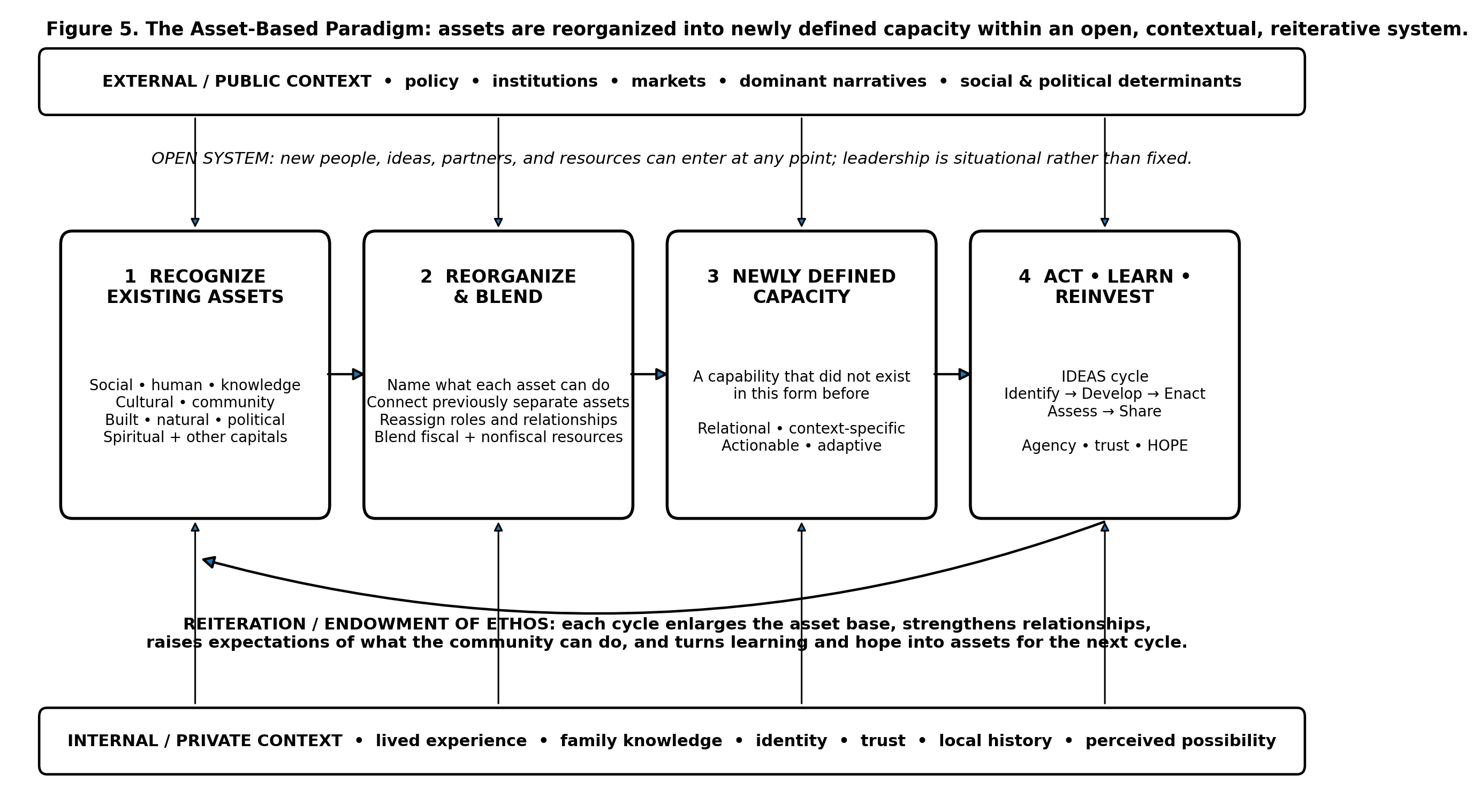
The political determinants of health are decisions: who gets a hospital, a grocery store, a bus route, a school, a vote. They are made upstream and they arrive in a neighborhood as context. Dawes, D. E. (2020). The political determinants of health. Johns Hopkins University Press.
Building on what is already here
History and legacy
From generation to generation. We begin with the people, networks, and systems that came before us and shaped who we are. Every project names the past work it builds on.
CIRCLE model, Cultivated. See the Community Journal.
Assets and connections
What is present now, and who the community is connected to. Strong ties hold a community together. Weak ties carry new information, partners, and opportunity across community lines.
Granovetter, M. S. (1973). The strength of weak ties. American Journal of Sociology, 78(6), 1360-1380.
Resilience as a system
Resilience is a property of systems, not individuals. Each cycle of recognizing, reorganizing, and acting enlarges the asset base and raises expectations of what the community can do next.
Norris et al. (2008). American Journal of Community Psychology, 41, 127-150.
The HPAC poster archive
Each poster is a moment in a community's story: a school, a year, and a question students chose for themselves. Teen stress in Windham, school nurses in Cleveland, tanning beds in Woodridge, blankets for a Canton shelter. Filter by year or topic, and choose a poster to see it full size.
People, places, moments
Students today and alumni now, and the conferences in between. More moments on the HPAC page.
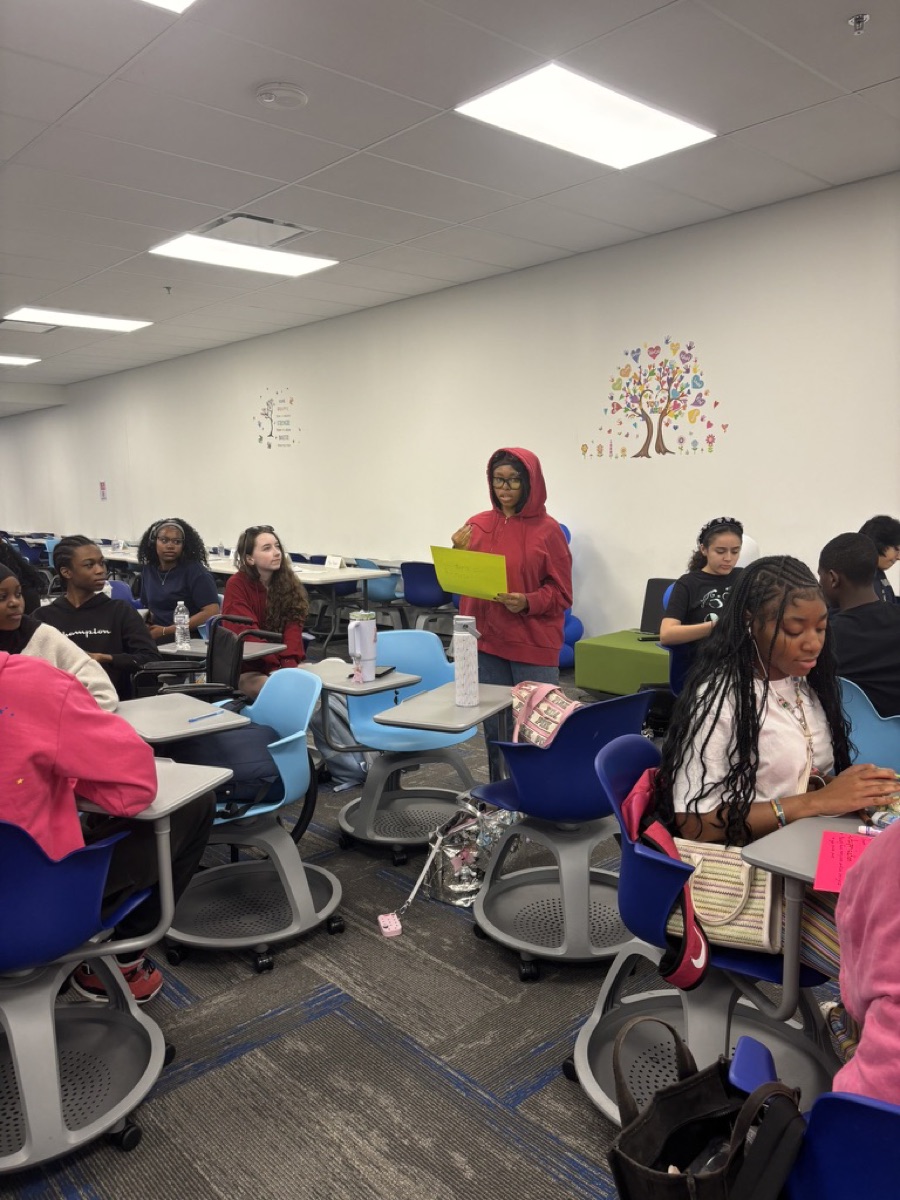
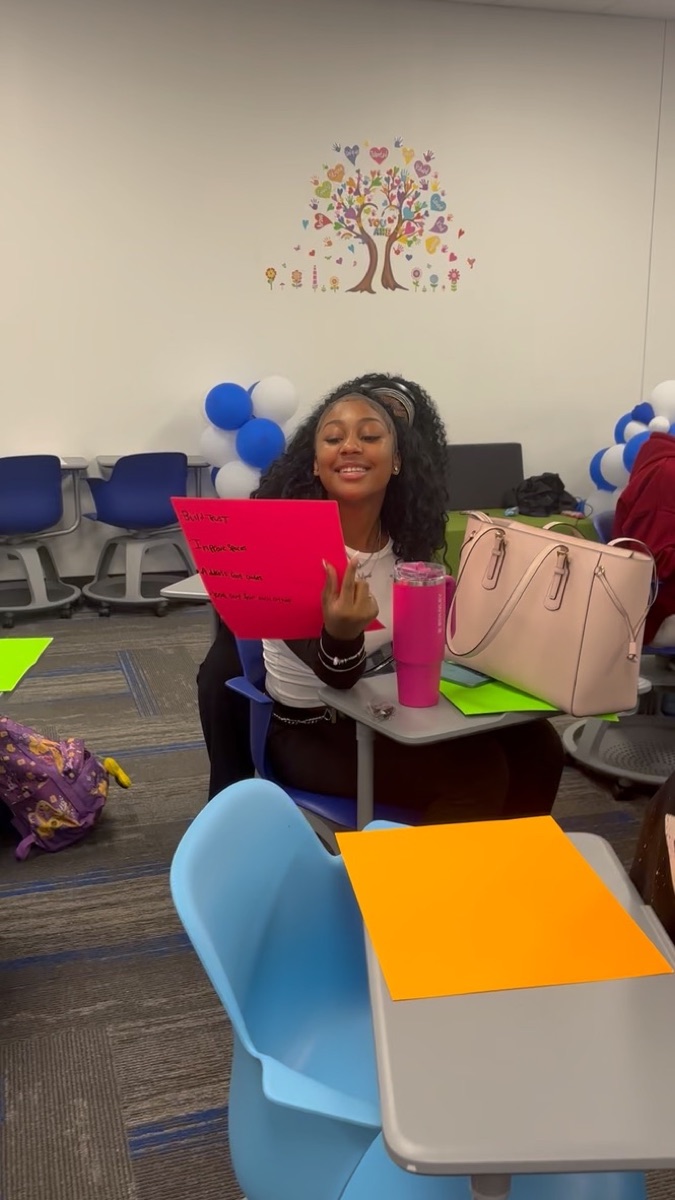
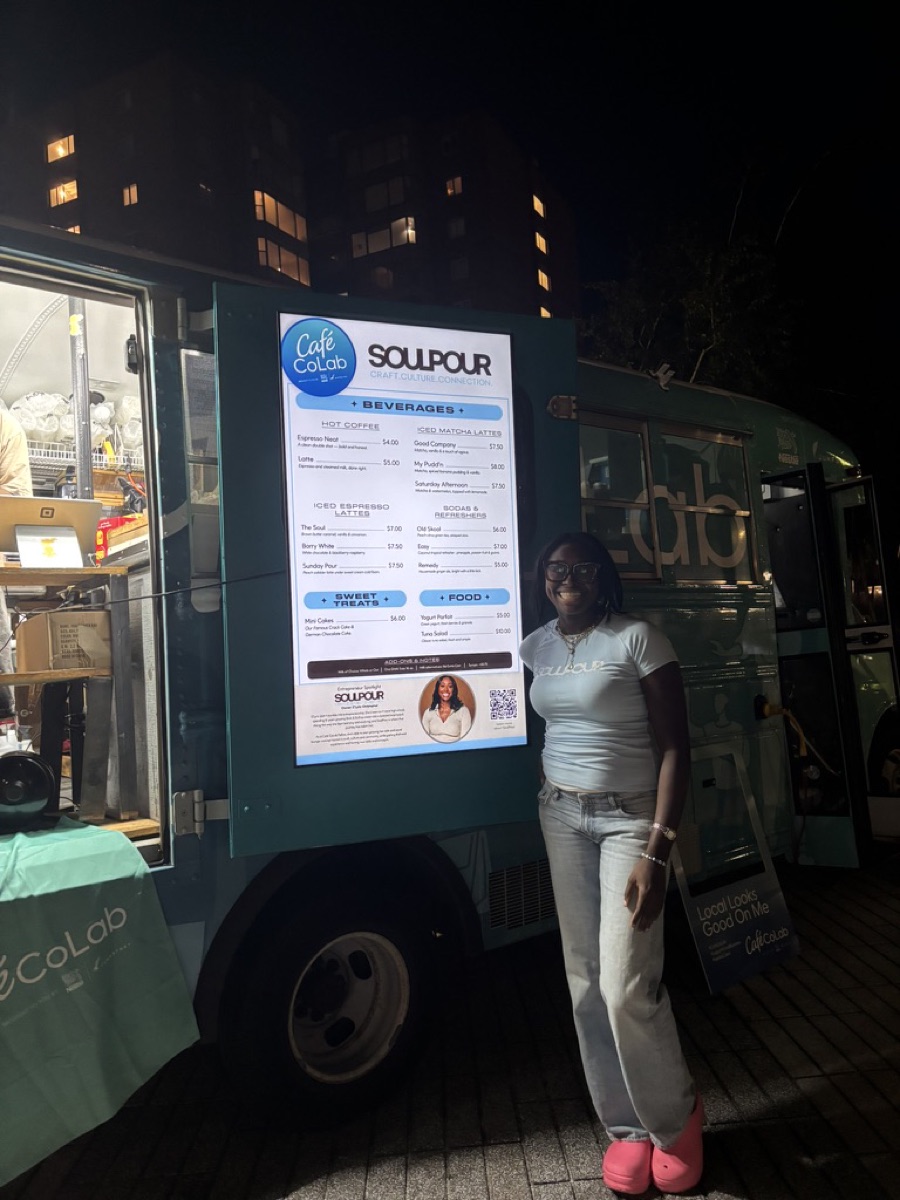
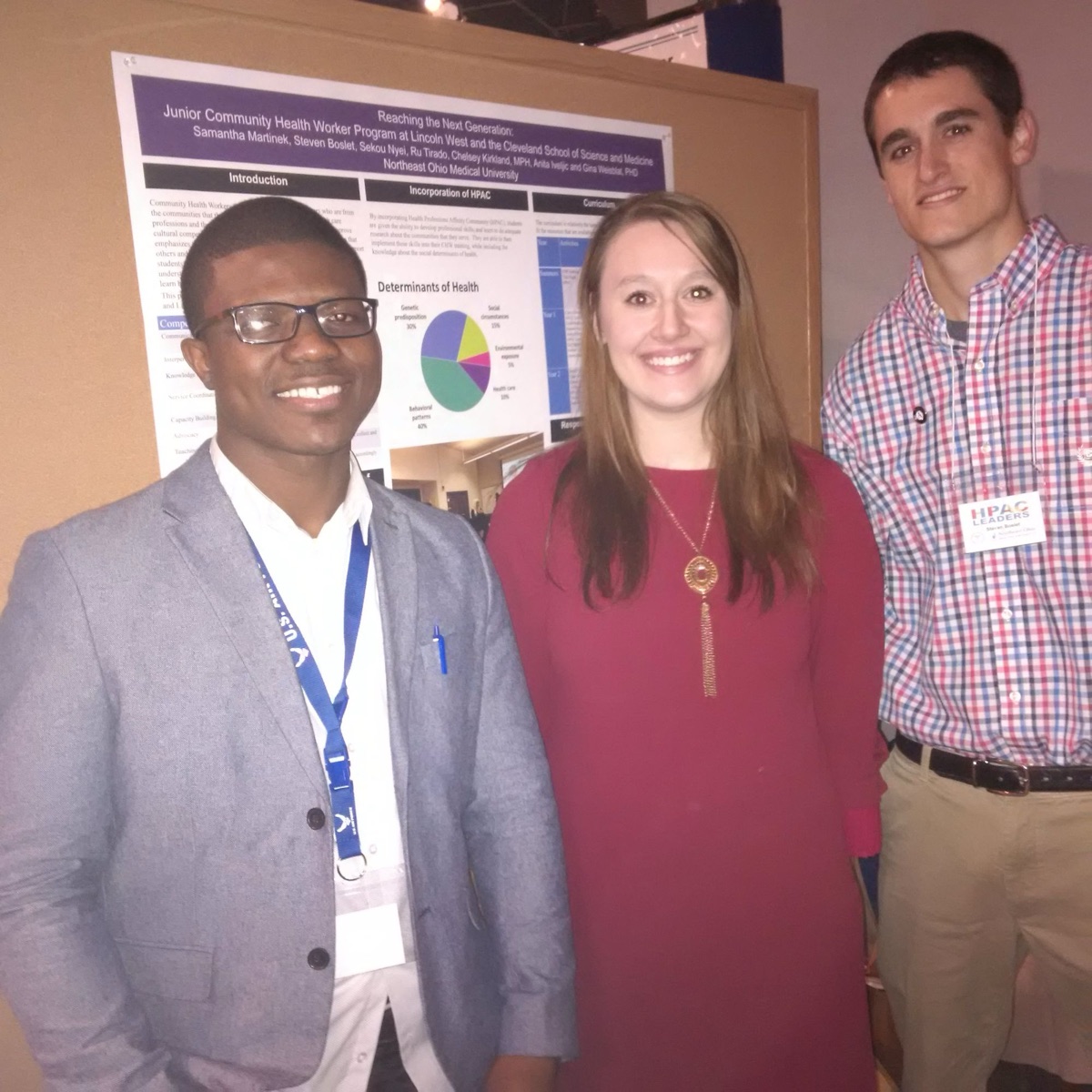
Students are not named. Media releases are being collected before launch.
The thinking behind this page
- The Asset-Based Paradigm. Communities, schools, and institutions already hold tremendous assets that are unrealized and underused. First presented at the Kresge Scholars Conference (2011); applied in Weisblat and McClellan (2016), Partnerships that transform communities, Information Age Publishing. A theory paper is in preparation (2026). The model · Figures
- Time, place, and the asset web. Bringing the Asset-Based Paradigm's models together with theories of time and place. Research underway. Research
- Hope as infrastructure: How HPAC built capacity in rural Ohio, 2012 to 2021. Weisblat (2026, chapter in preparation). Resilience as a structural outcome, written from the program archive and 697 Scholars Day surveys. Read the summary
- Student voices. A narrative inquiry with former HPAC students from urban and rural communities, building on Weisblat and McClellan (2013), Through the lens of the students, Journal of Ethnographic and Qualitative Research, 7(3), 138-148.
- Federal promise, community infrastructure. Weisblat, Douglas and Douglas (2026). An asset-based analysis of a U.S. Department of Education grant at a credible-messenger violence intervention program. Abstract submitted to the Cuyahoga County Conference on Social Welfare.
- Youth, citizenship, and Cleveland's future. Weisblat, Slone and Petrone (1999). In The new American city faces its regional future: A Cleveland perspective (pp. 168-183). Ohio University Press. Where the citizenship idea began.
- An exemplar in mentoring and professional development. Weisblat and Sell (2012). Journal of Research Administration, 43(1), 60-84. The Asset-Based Paradigm applied inside a university. PDF
Tell your community's story
The Citizenship Health Community Journal publishes the stories communities tell about themselves, in writing, music, and art. Every piece names the people and past work it builds on.